Access to healthcare is one of the most obvious ways in which the divide between developed countries and Africa becomes apparent. From preventive screenings to maternal care to treatment of chronic illnesses, our members live in a world where access to healthcare is not guaranteed.
The World Health Organization’s UHC Service Coverage Index scores high-income countries at over 80 out of 100, on average, while the sub-Saharan Africa (SSA) average is around 45. (WHO 2023). What do these percentages mean for our members? Late diagnoses. Preventable deaths. Preventable financial crisis.
Americans, Canadians, and citizens of most Western European countries receive preventive screening for hypertension, diabetes, and cancers as part of their normal primary care. Preventive care utilization rates in Ghana and across SSA are far lower. Ghana’s National Health Insurance Scheme is a proud step in the right direction, but even with NHIS, out-of-pocket health expenditure makes up about 26–30% of total health spending vs. less than 15% in most OECD countries. (World Bank 2022)
Maternal mortality rates tell a similar story. In high-income countries, there are less than 15 maternal deaths per 100,000 live births. In SSA, we account for nearly 70% of global maternal deaths. In Ghana, the ratio is about 263 deaths per 100,000 live births. (WHO 2023). While we have seen improvement from past decades, there is still a large discrepancy.
The rise of noncommunicable diseases (NCDs) is a growing concern across Africa. The WHO estimates that NCDs account for more than 37% of deaths in Ghana, but people are not receiving these diagnoses early enough. (WHO 2023). Community screening programs have been proven to decrease cases of late-stage disease and long-term healthcare costs. (Jamison et al. 2018).
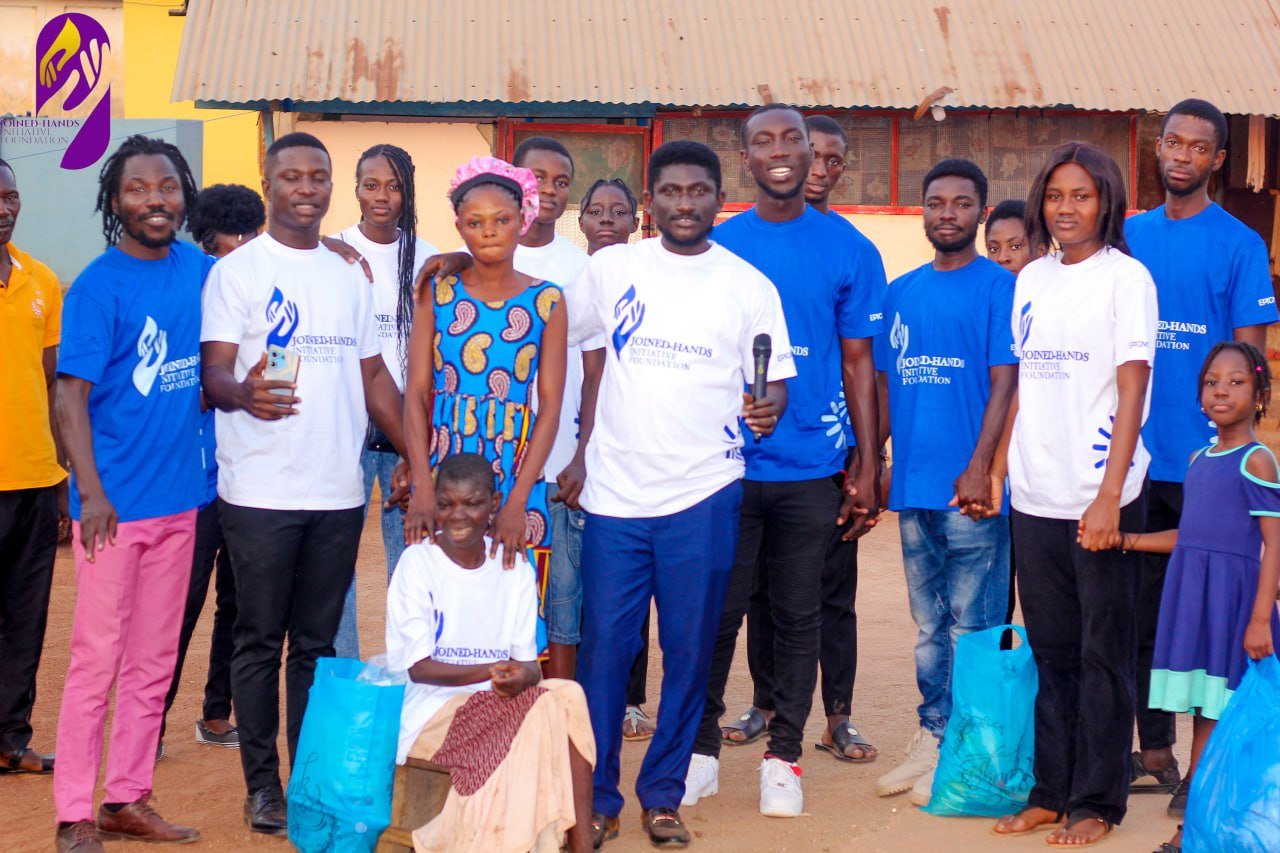
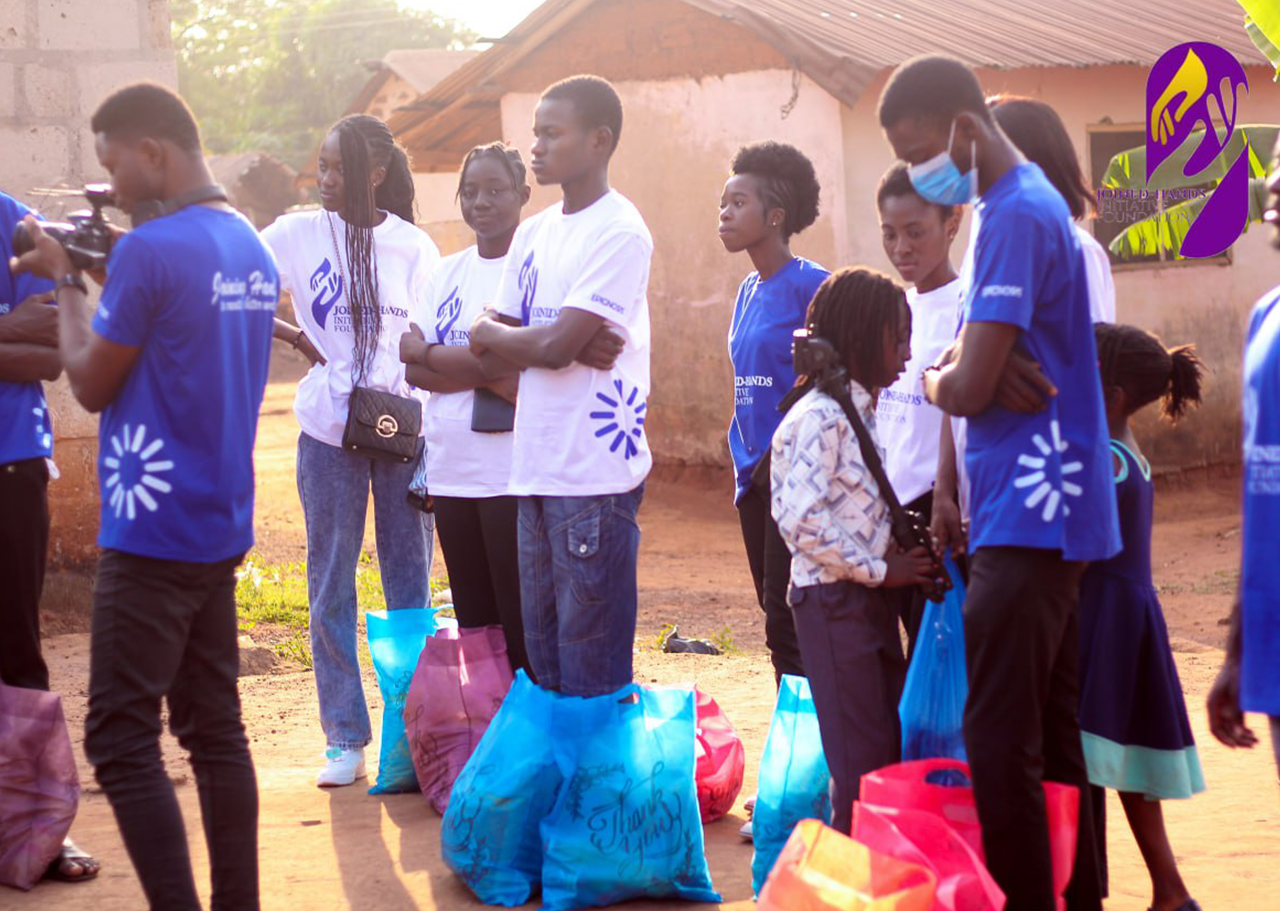
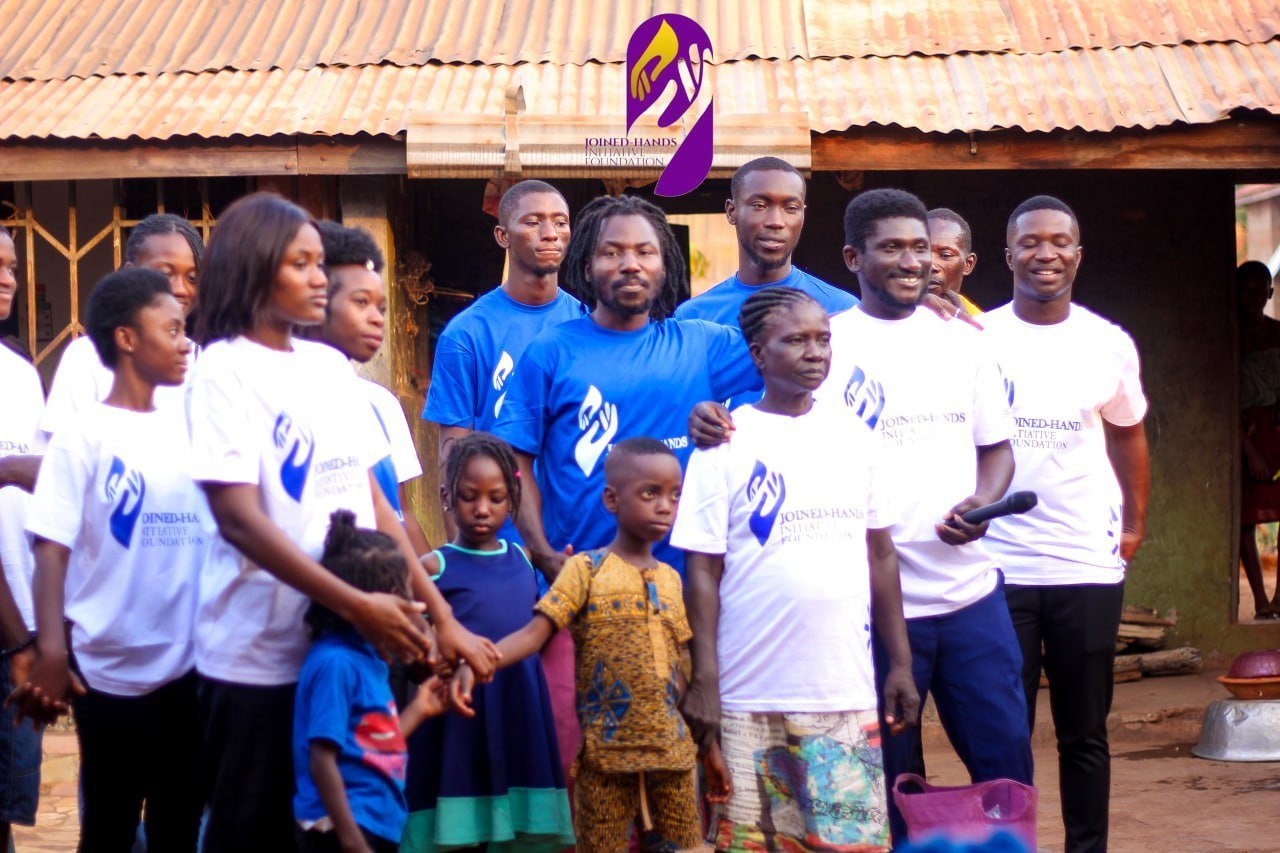
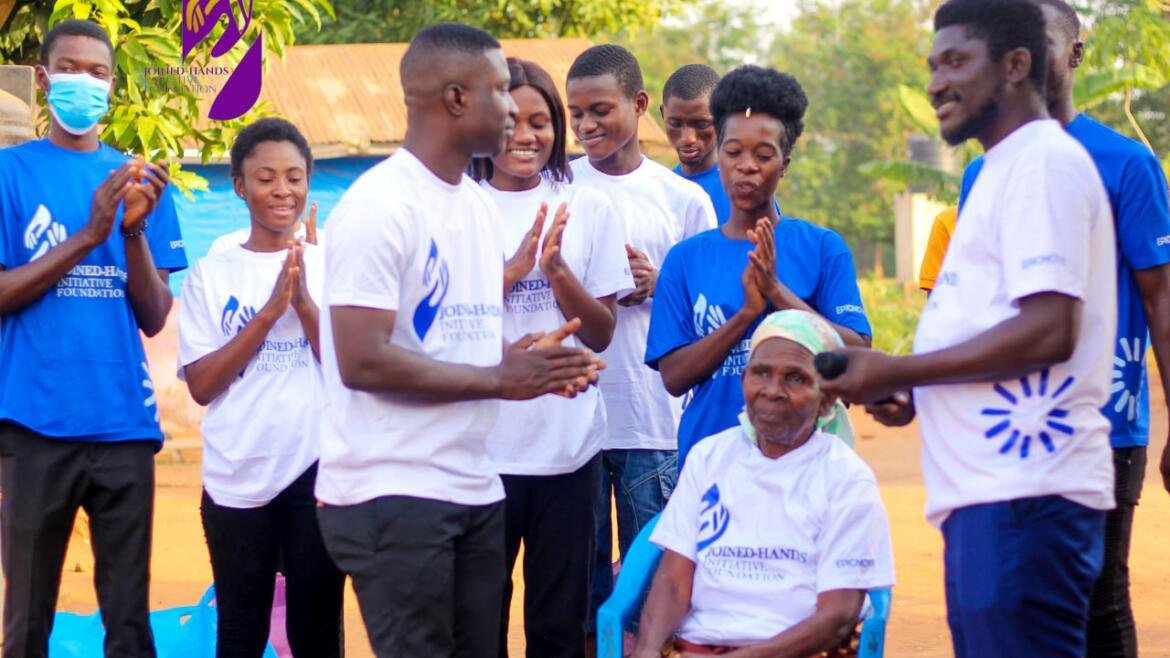
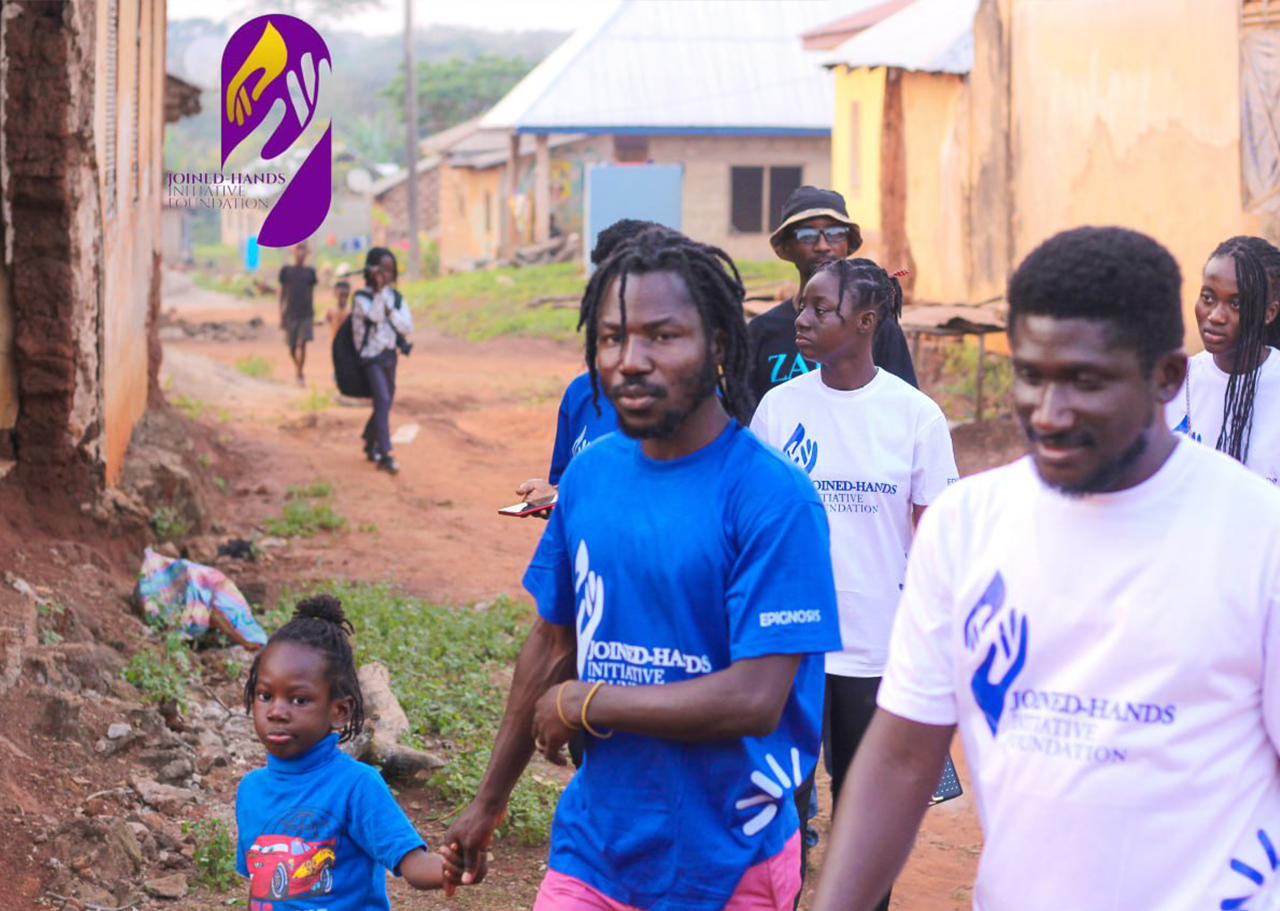
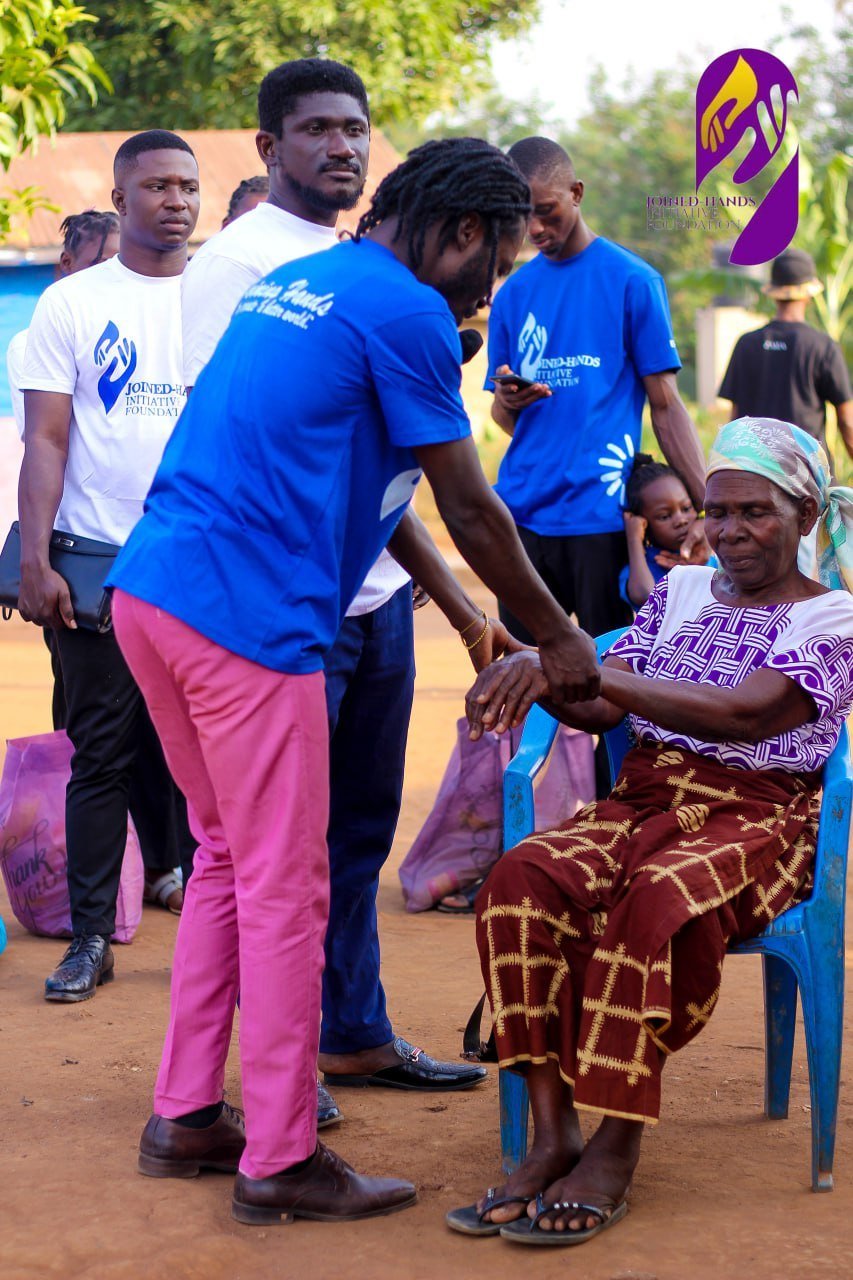
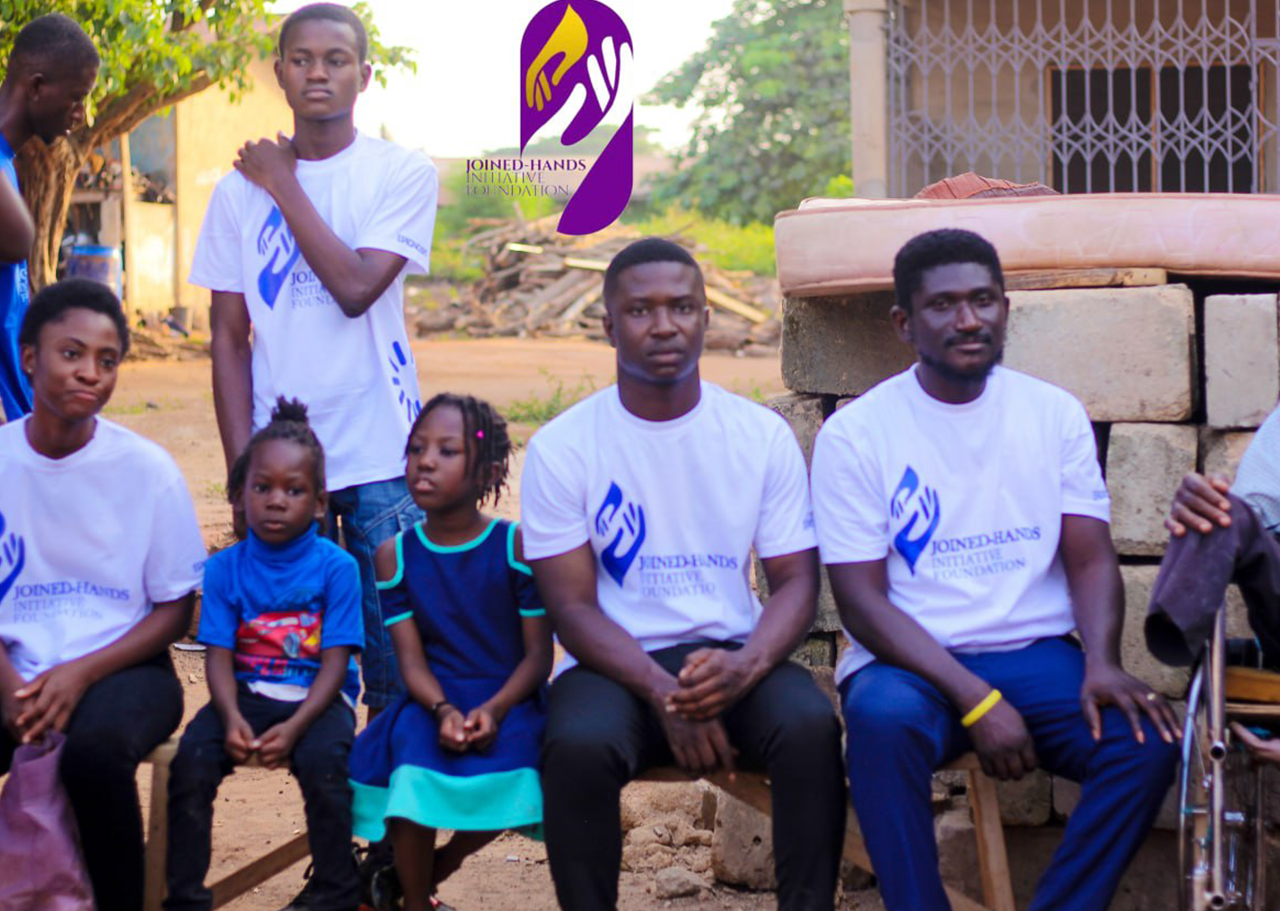
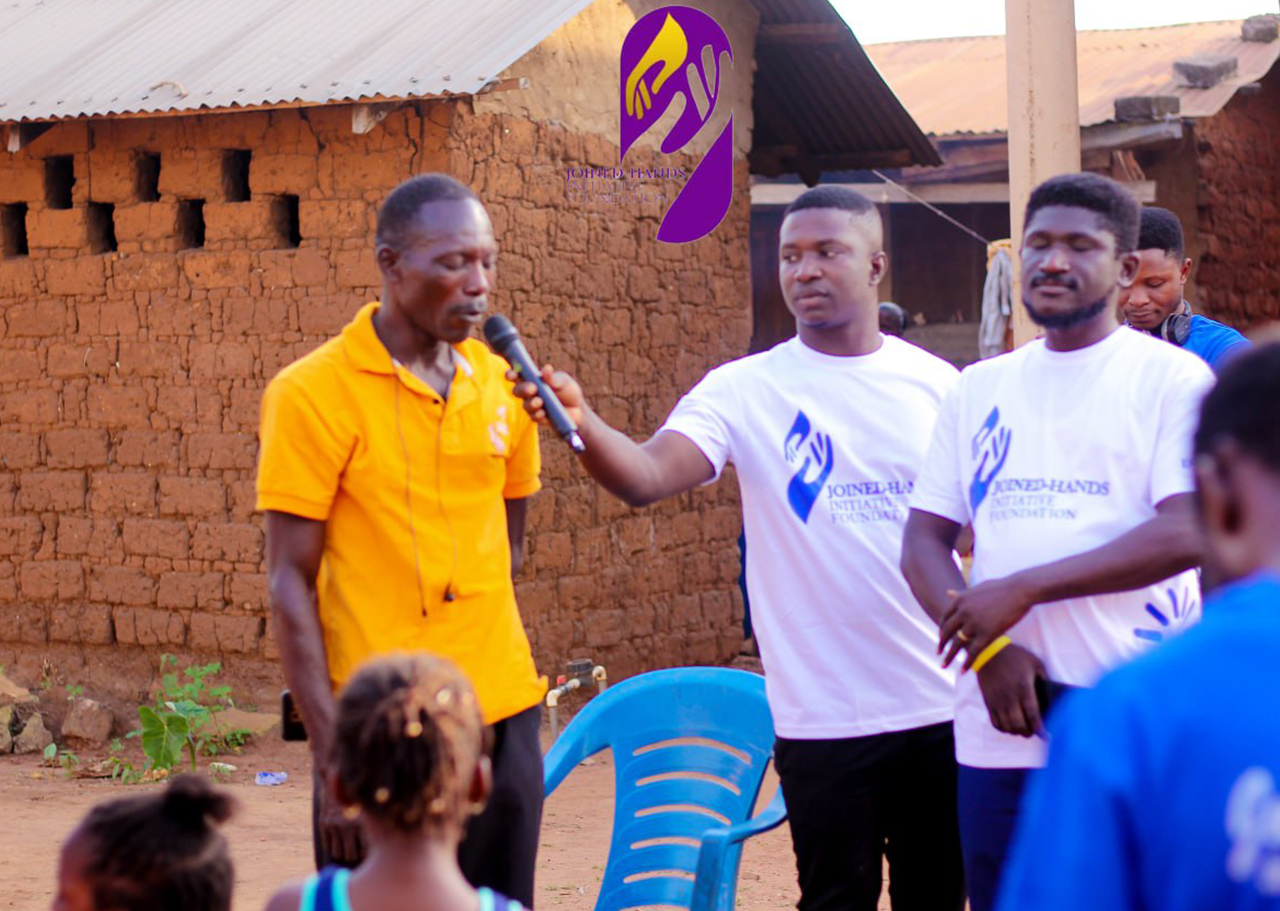
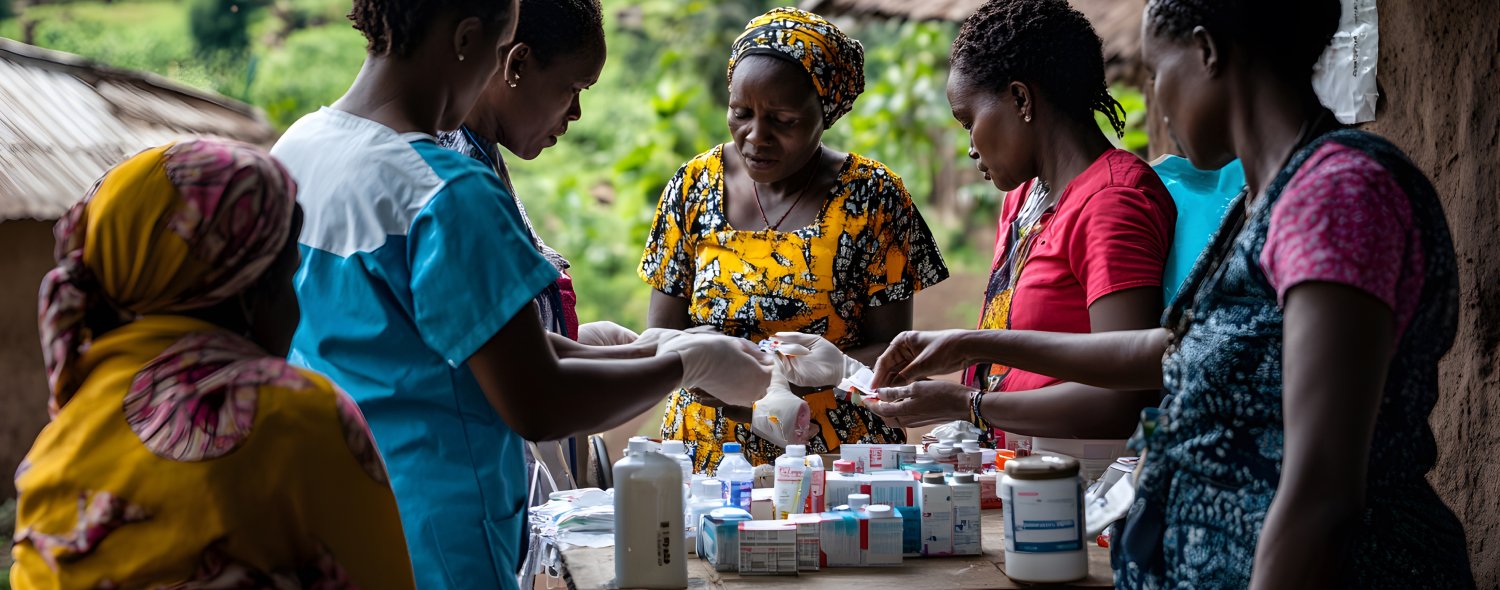
That’s why JHIF organizes quarterly community health screenings in partnership with local leadership. Blood pressure checks. Diabetes testing. Health education. Referrals when necessary. We’re closing the gap in early detection and access to basic services.
When families don’t go to the doctor because they can’t afford it, when parents miss work because their child is sick and they lack paid leave, when communities are less healthy – everyone is poorer. Providing access to health helps us not only care for our neighbors, but also facilitates economic development.
Sources
Jamison, Dean T. et al. 2018. Disease Control Priorities: Improving Health and Reducing Poverty. The Lancet Global Health.
World Bank. 2022. World Development Indicators: Health Expenditure Data . Washington, DC: World Bank.
World Health Organization (WHO). 2023. Universal Health Coverage Global Monitoring Report. Geneva: WHO.
World Health Organization (WHO). 2023. Maternal Mortality Estimates. Geneva: WHO.