Climate change is one of the starkest examples of injustice around the world. While Africa accounts for less than 4% of global greenhouse gas emissions, Africans endure the effects of climate change more than any other continent.
Developed countries have built climate resilience into their infrastructure, created adaptive financing and insurance systems, and can afford to prepare for natural disasters. Families in Ghana cannot. Changing weather patterns have increased floods, drought, and deforestation. While Ghana emits very little of the world’s GHGs, we still face grave consequences.
Galamsey has accelerated soil erosion in many communities in Ghana. Mining deposits leak into water sources, while forest reserves are destroyed for wood and mining infrastructure. (Forestry Commission Ghana 2023). Meanwhile, developed countries pledge millions of dollars to renewable energy technology and climate-focused policy frameworks.
UNEP finds that “environmental initiatives with local community involvement were 33% more successful and sustainable than what they replaced” (UNEP 2023). Pairing environmental activities with the outreach of community organizations drove sustainable improvements.
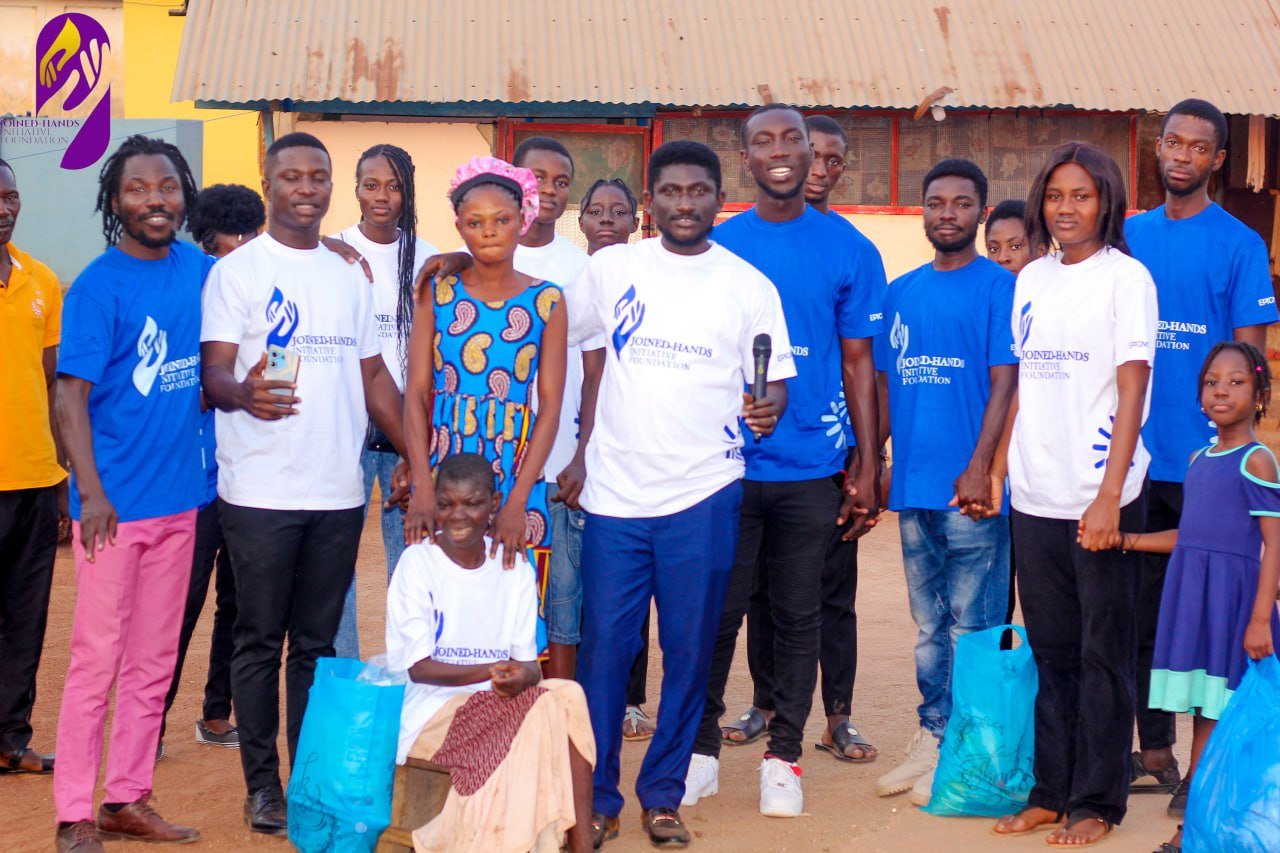
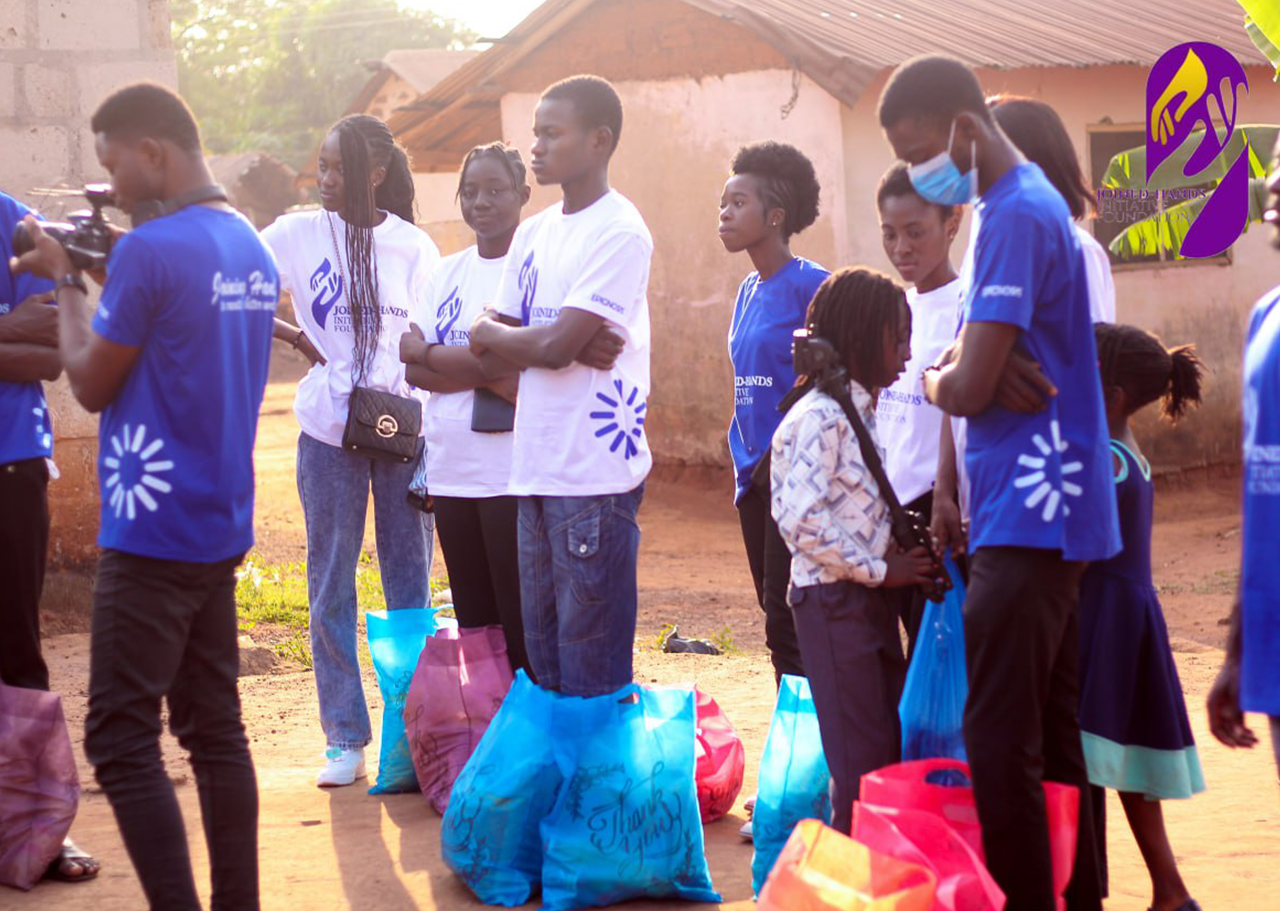
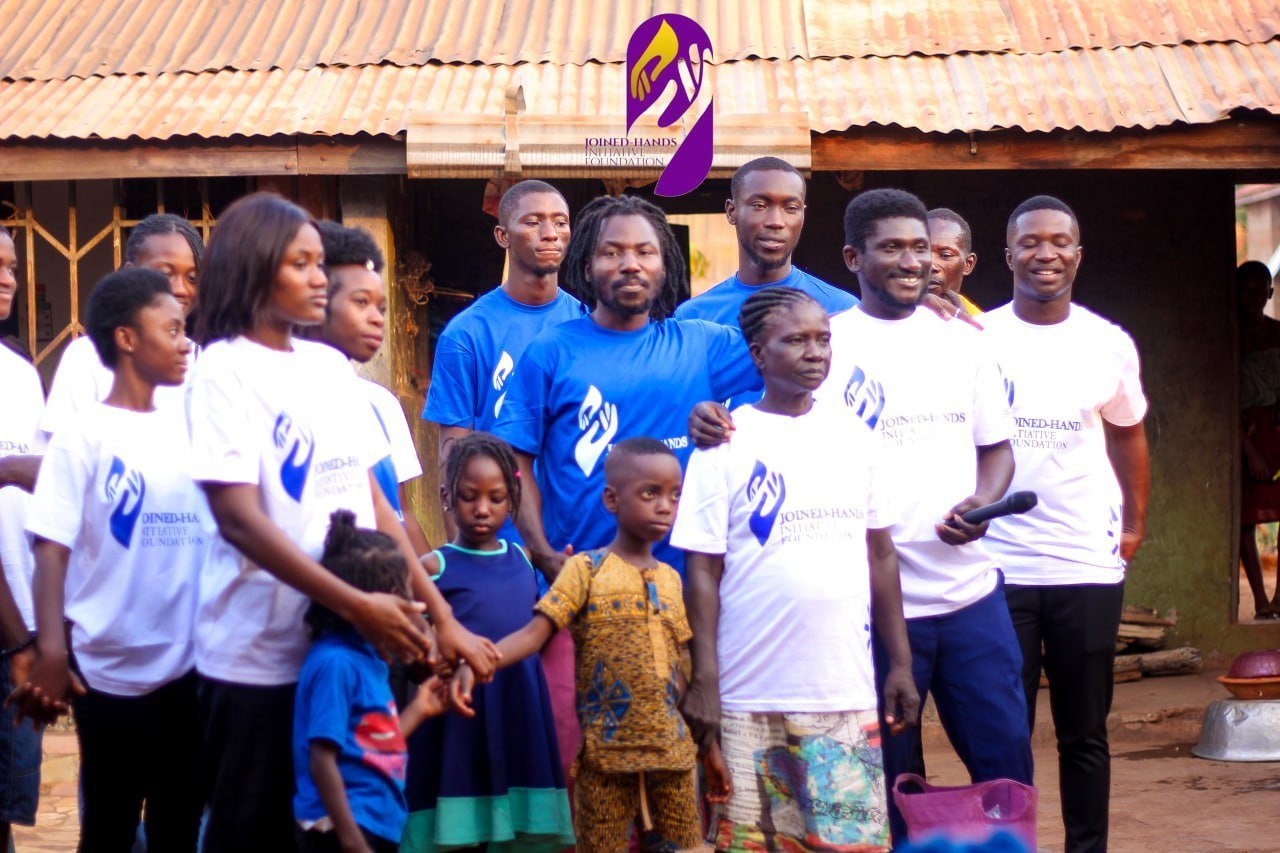
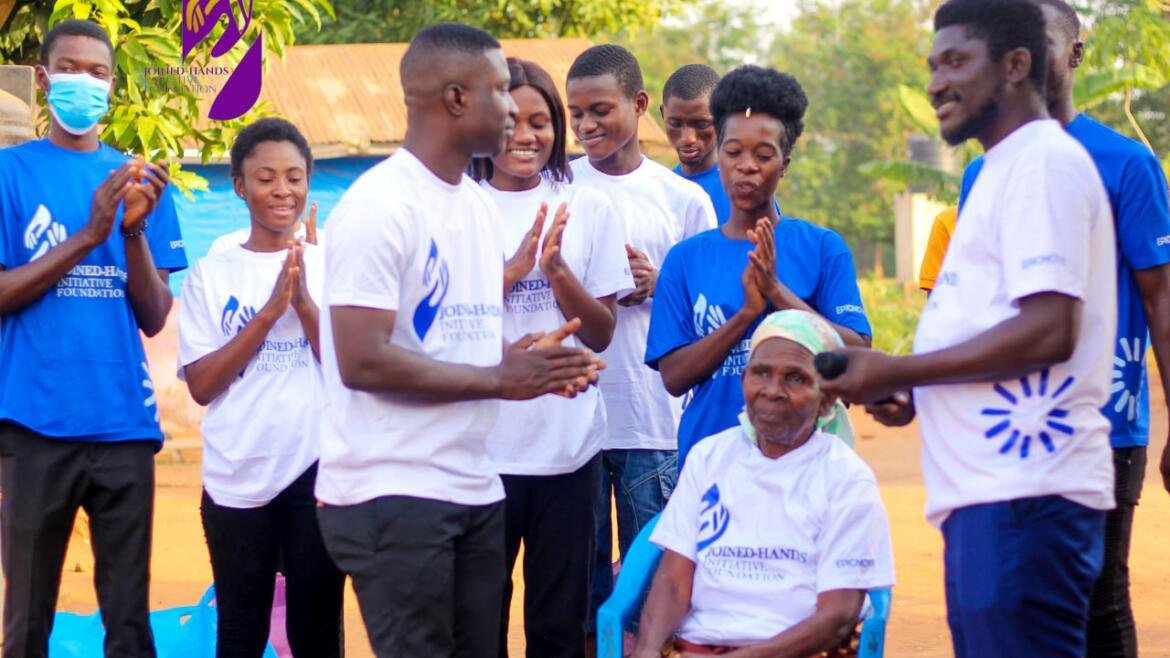
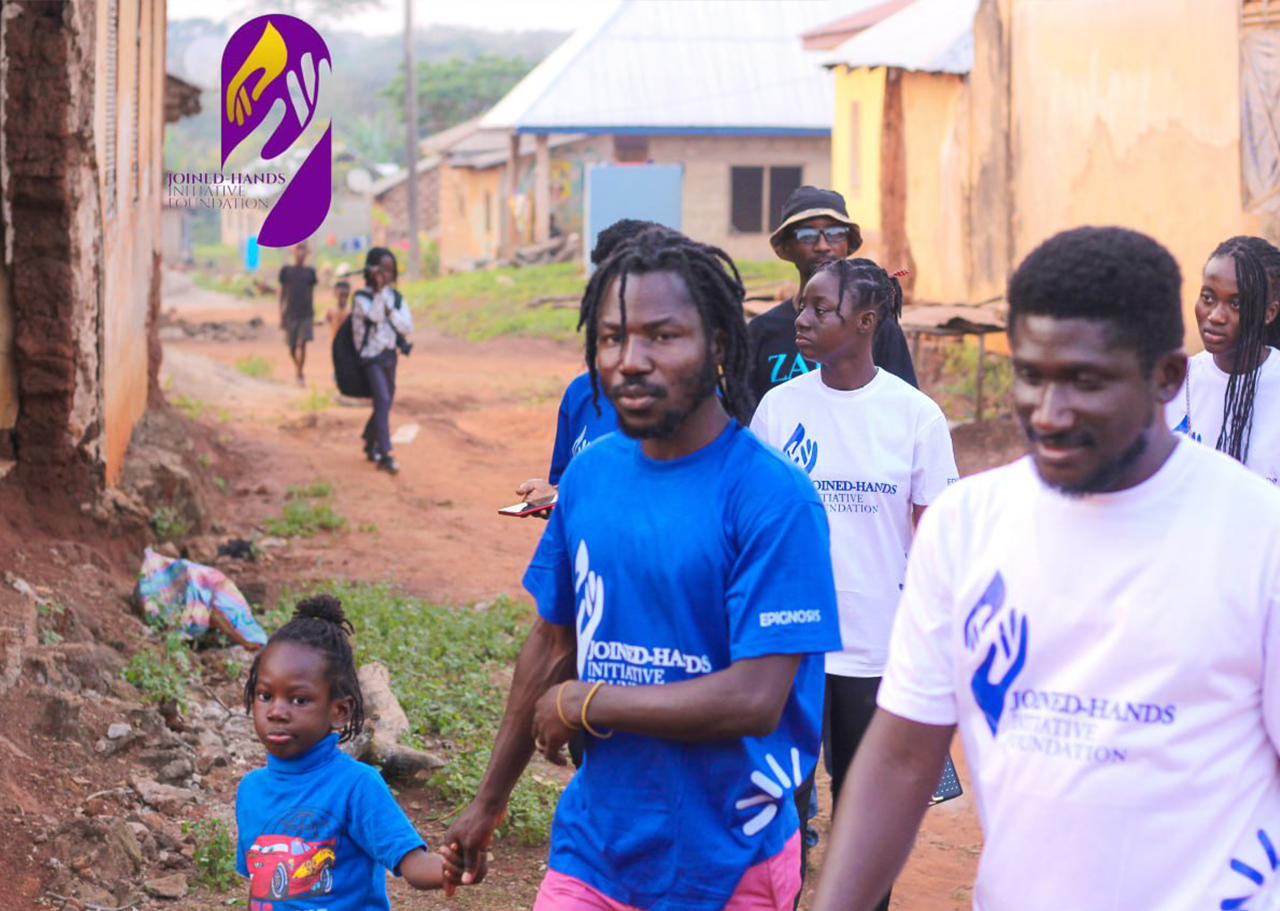
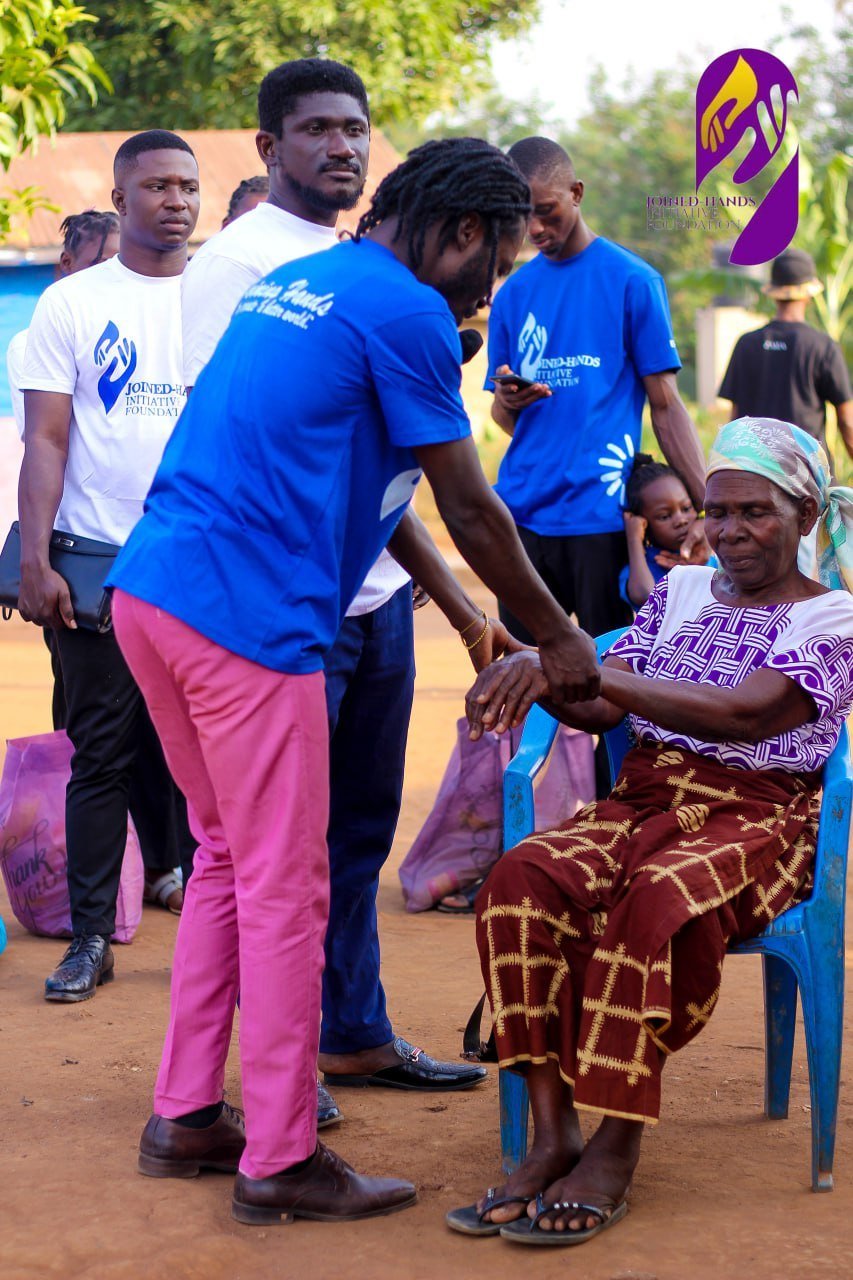
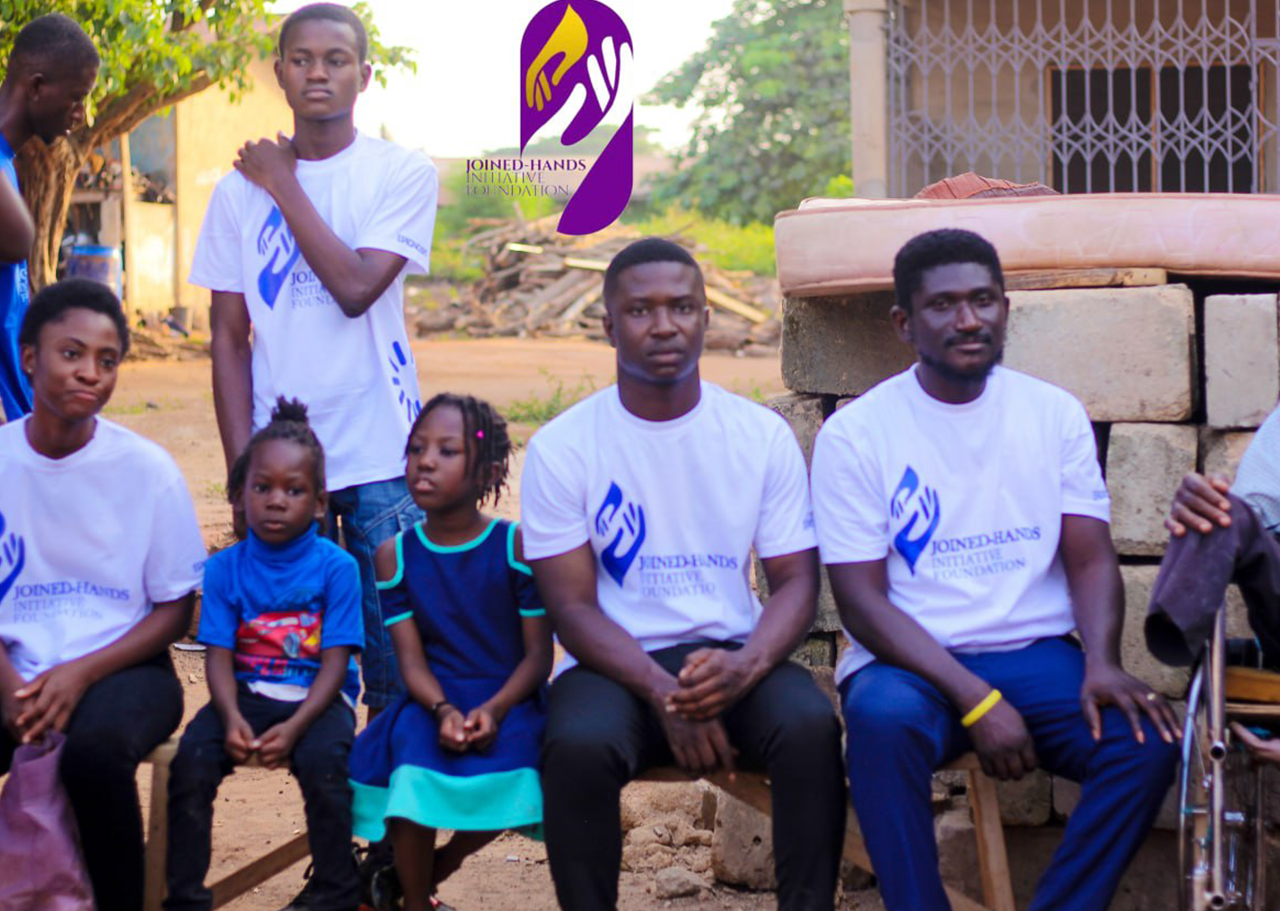
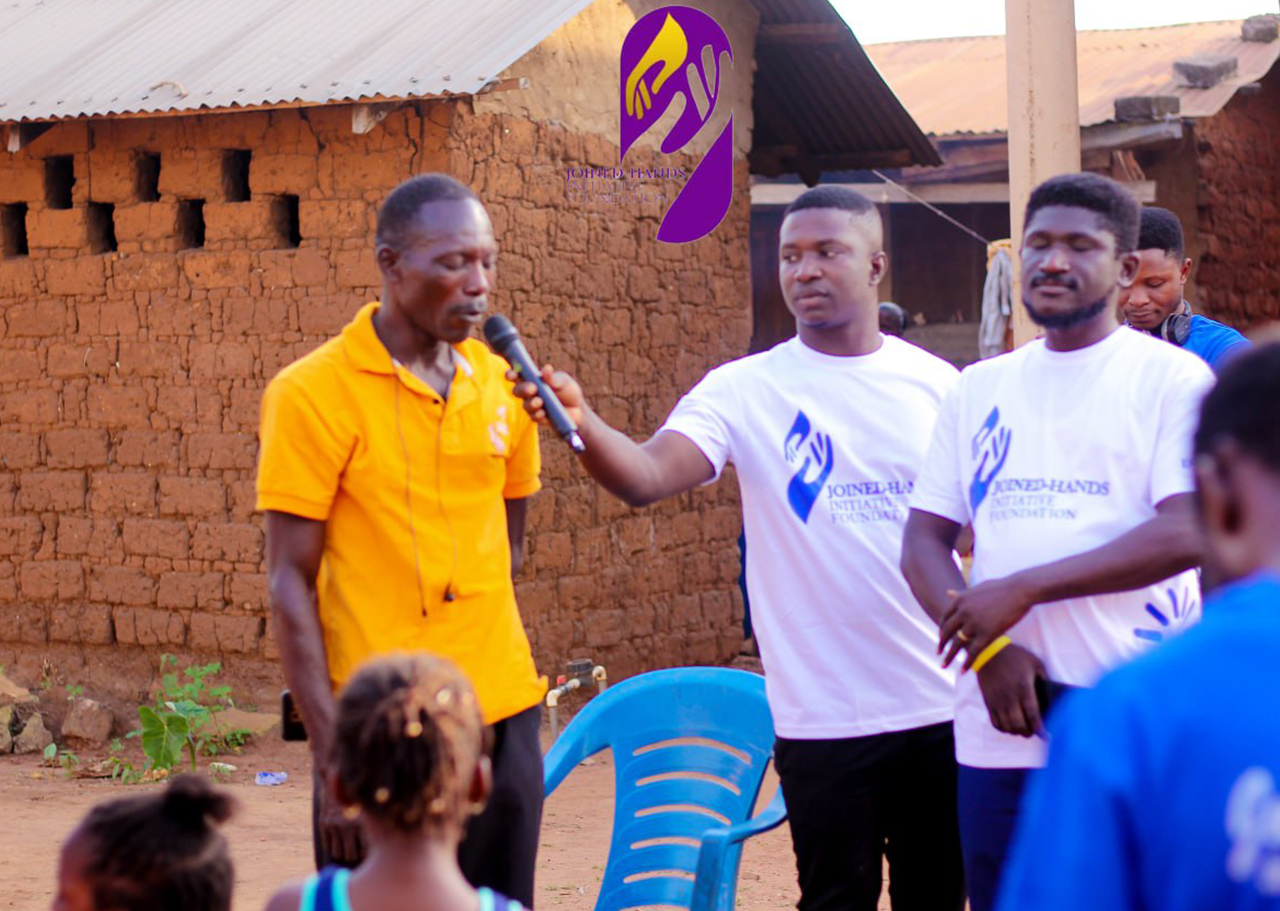
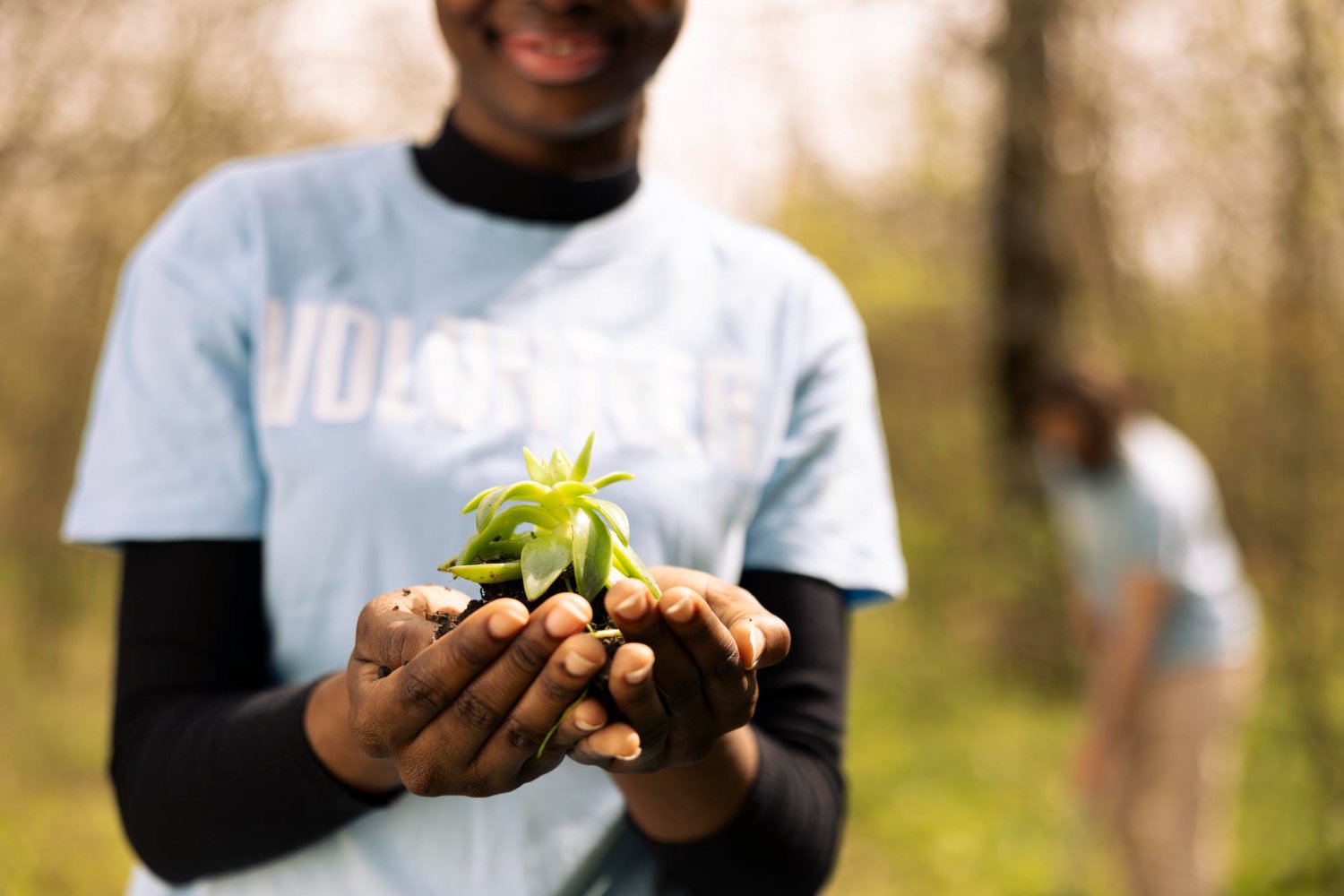
JHIF’s Environmental Sustainability Campaign tackles two sustainable development goals (SDGs): SDG 13 and SDG 15. Together, they focus on climate action and protecting life on land through tree planting and education activities.
Tree planting not only combats carbon emissions. It improves air quality, water retention in soil, and provides a habitat for displaced wildlife. Equally important is empowering community members to hold their leaders accountable for Ghana’s green future.
Sources
Forestry Commission Ghana. 2023. Annual Forest Report. Accra: Government of Ghana.
UNEP. 2023. Adaptation Gap Report . Nairobi: UNEP.
UNEP Standing Committee. 2022. Local Communities and Indigenous Peoples in IPCC Sixth Assessment Report (AR6). Nairobi: Nairobi.