

Africa is the youngest region in the world. Currently, over 60% of the population is age 25 or younger. (United Nations 2022). Ghana is no exception —the median age is around 21 years old. Compare this to Germany or Japan where the median age is above 45 years old and you’ll see why we call it Africa’s demographic opportunity.
When the working-age population is larger than the non-working-age share of the population, we can expect rapid economic growth if the right investments are made. This is what economists call the demographic dividend. If countries don’t train and employ their youth, the growing workforce will become a liability.
Youth unemployment rates average from 10-15% across OECD countries. In Ghana, youth unemployment (and underemployment) rates are above 25% in some areas. (World Bank 2023). Add in the digital divide. While internet access is at 90% or higher in developed nations, sub-Saharan Africa averages around 37%.
Low internet connectivity is one symptom of low digital literacy. With two-thirds of jobs requiring digital skills by 2022, young Africans are training and entering workforces behind their global peers. (UNESCO 2023). There is, however, evidence showing that combined training in mentorship and employable skills can improve employment prospects.
Blattman and Ralston (2015) examine job-generation programs in developing countries. Their research, published in World Development, finds that interventions “that integrate mentorship, sometimes with leadership training or reflective exercises, improve participant employment outcomes. Job readiness programs with hands-on learning also lead to more participants finding jobs.”
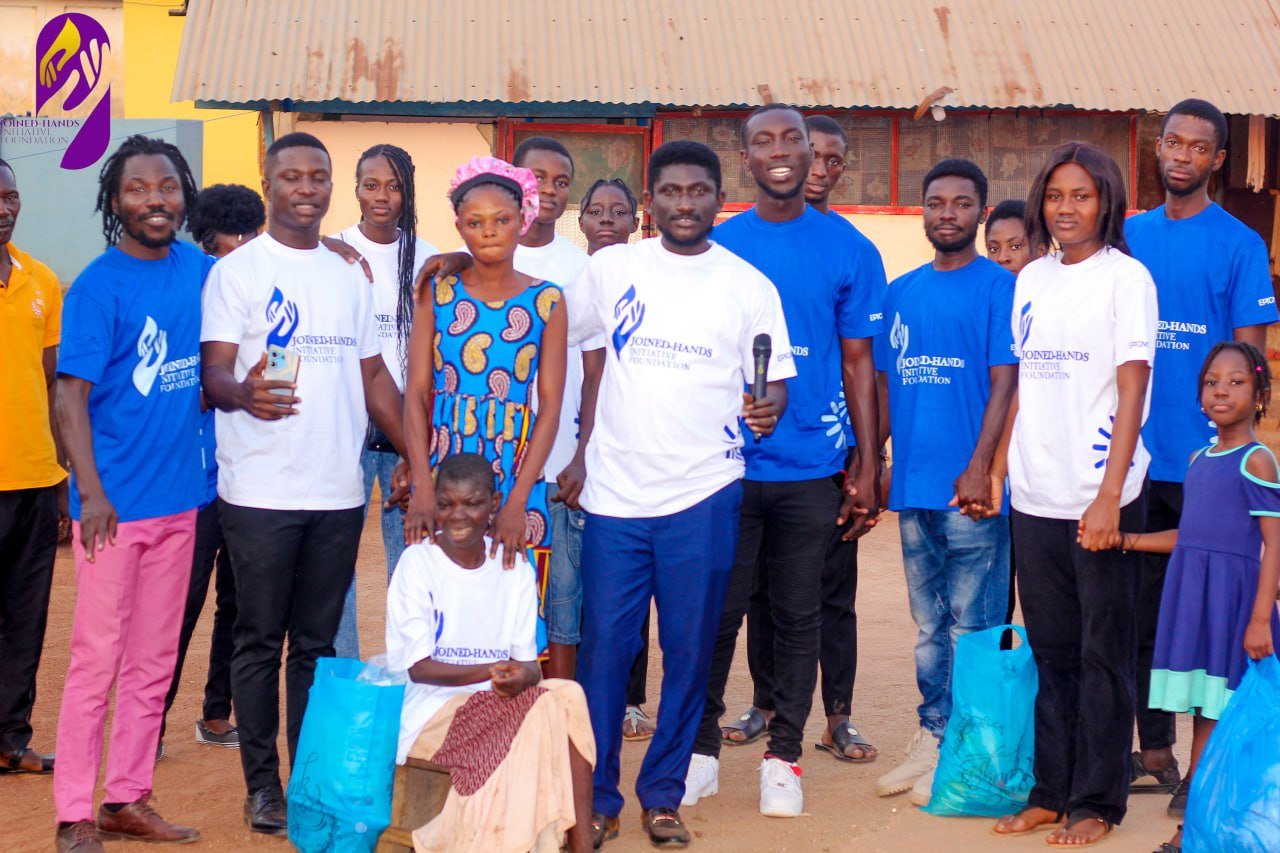
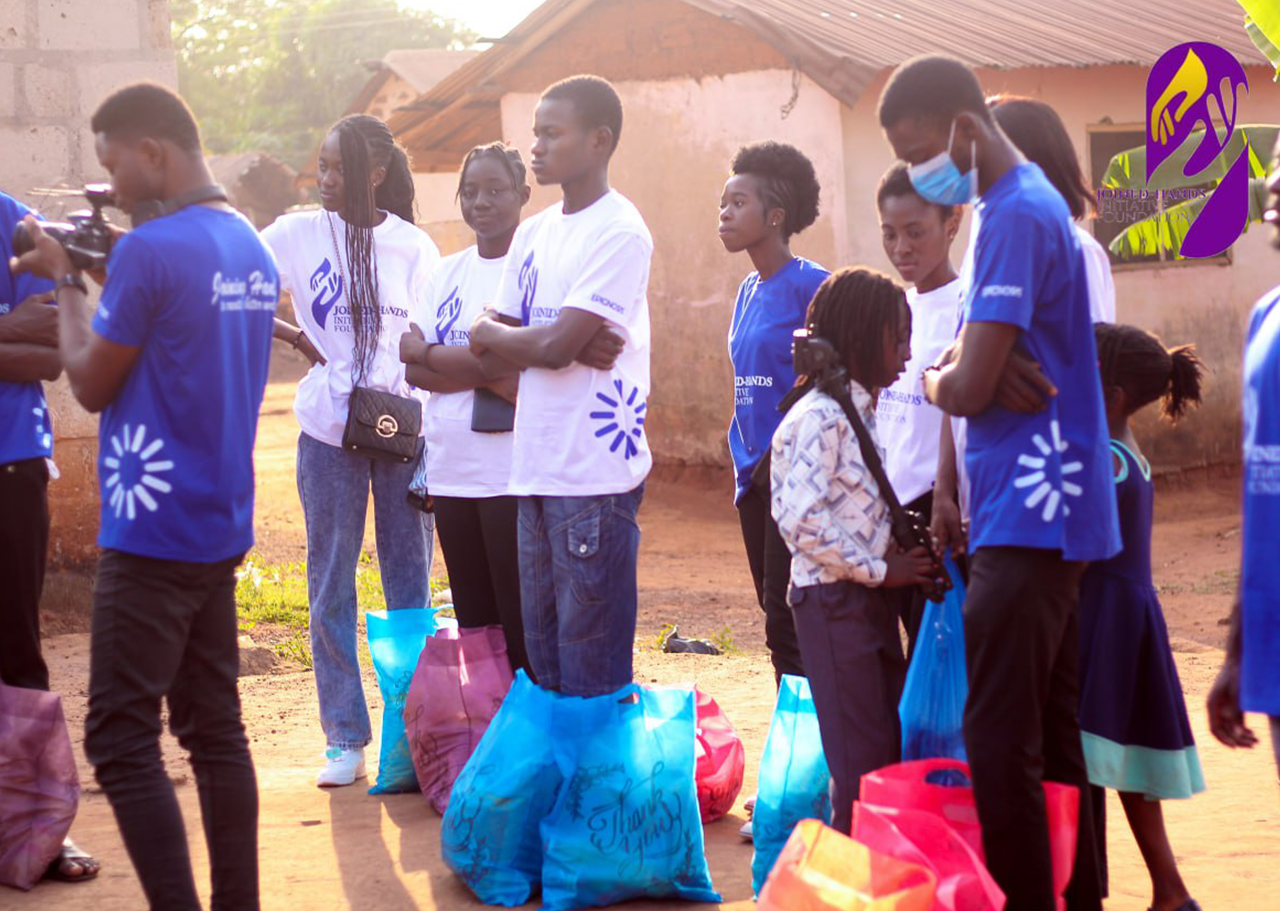
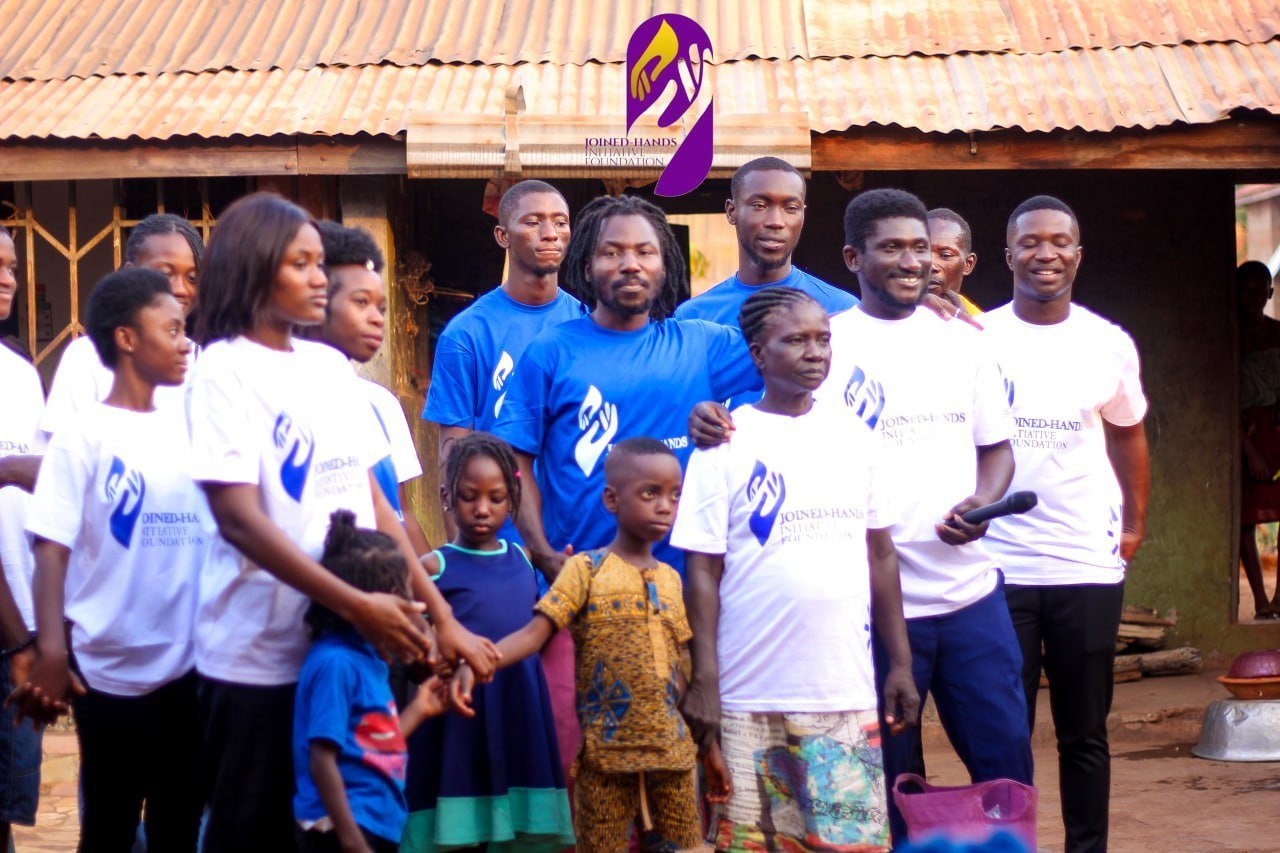
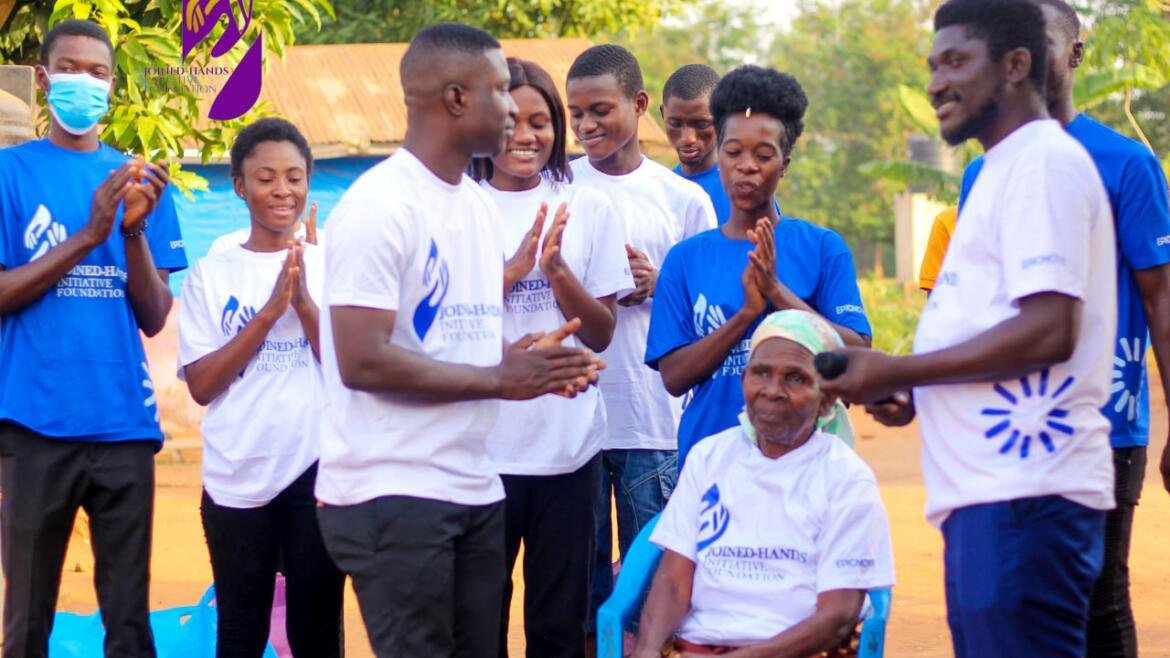
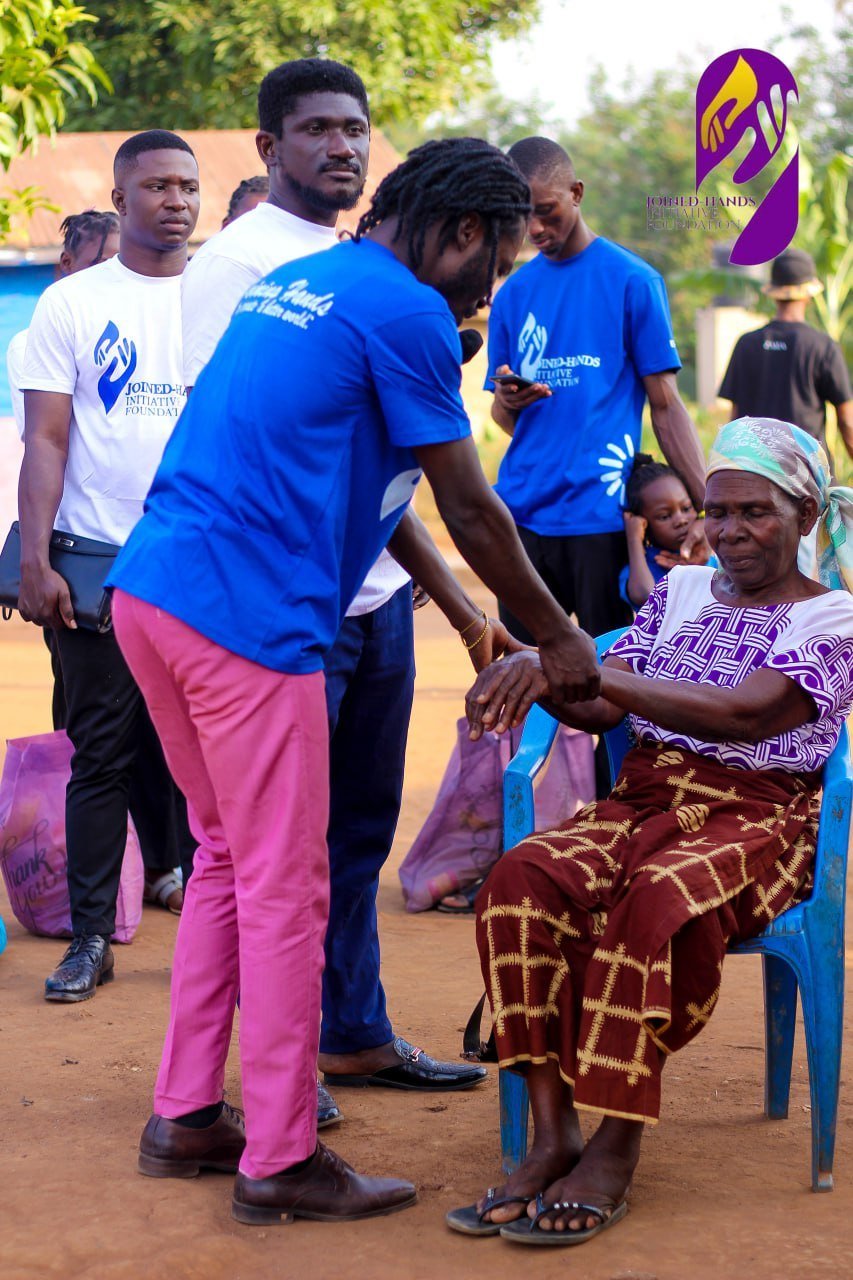
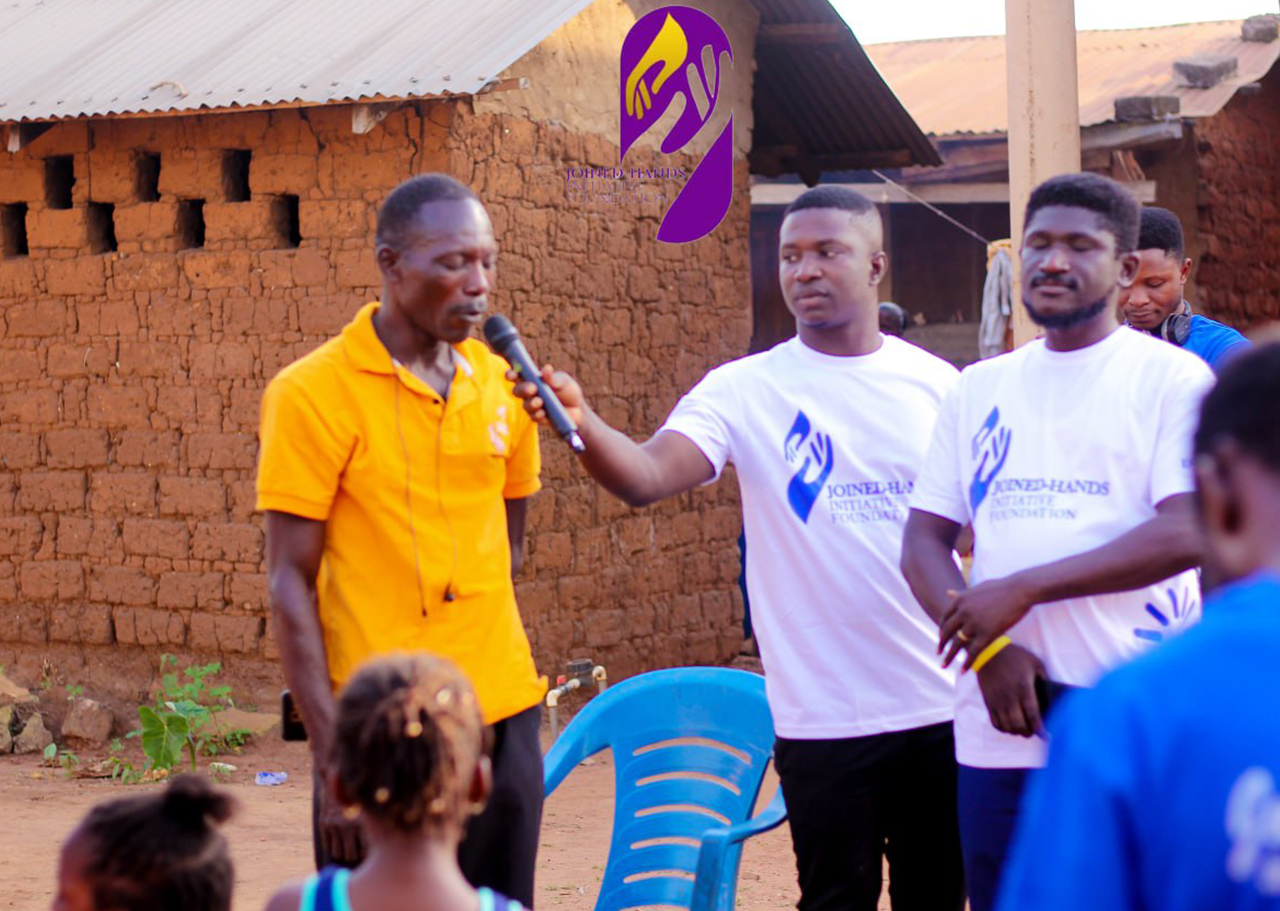
JHIF is preparing for this demographic opportunity. Our Youth Leadership and Digital Skills Bootcamp is equipping young people with employable skills, digital literacy, leadership skills, and resume-building certifications.
Investing in youth isn’t charity. It’s smart economics. We invest in JHIF’s programs because they empower Ghana’s youth today and tomorrow.
Sources
Blattman, Christopher, and Laura Ralston. 2015. “Generating Employment in Poor and Fragile States.” World Development 72 .
United Nations. 2022. World Population Prospects . New York: UN.
UNESCO. 2023. Global Education Monitoring Report . Paris: UNESCO.
World Bank. 2023. Ghana Youth Employment Data. Washington, DC: World Bank.